Santa Ynez Living: A True Equestrian Sanctuary
People who know horses understand something about the Santa Ynez Valley that takes everyone else a while to see. It's not just that there are horses here, plenty of places have horses. It's that the entire valley is organized around them. The land use, the veterinary infrastructure, the discipline range, the trail access, the community of people who have been doing this seriously for generations. When a serious horse person drives into the valley for the first time, they go quiet. Then they start asking what's available.
Michelle Graci, realtor to the stars, has watched it happen more times than she can count. Clients come in expecting wine country, which they get, this is also one of the great wine regions in California, and leave rearranging their priorities around the horses. Here's why.
The Climate Does Something Other Places Can't Replicate
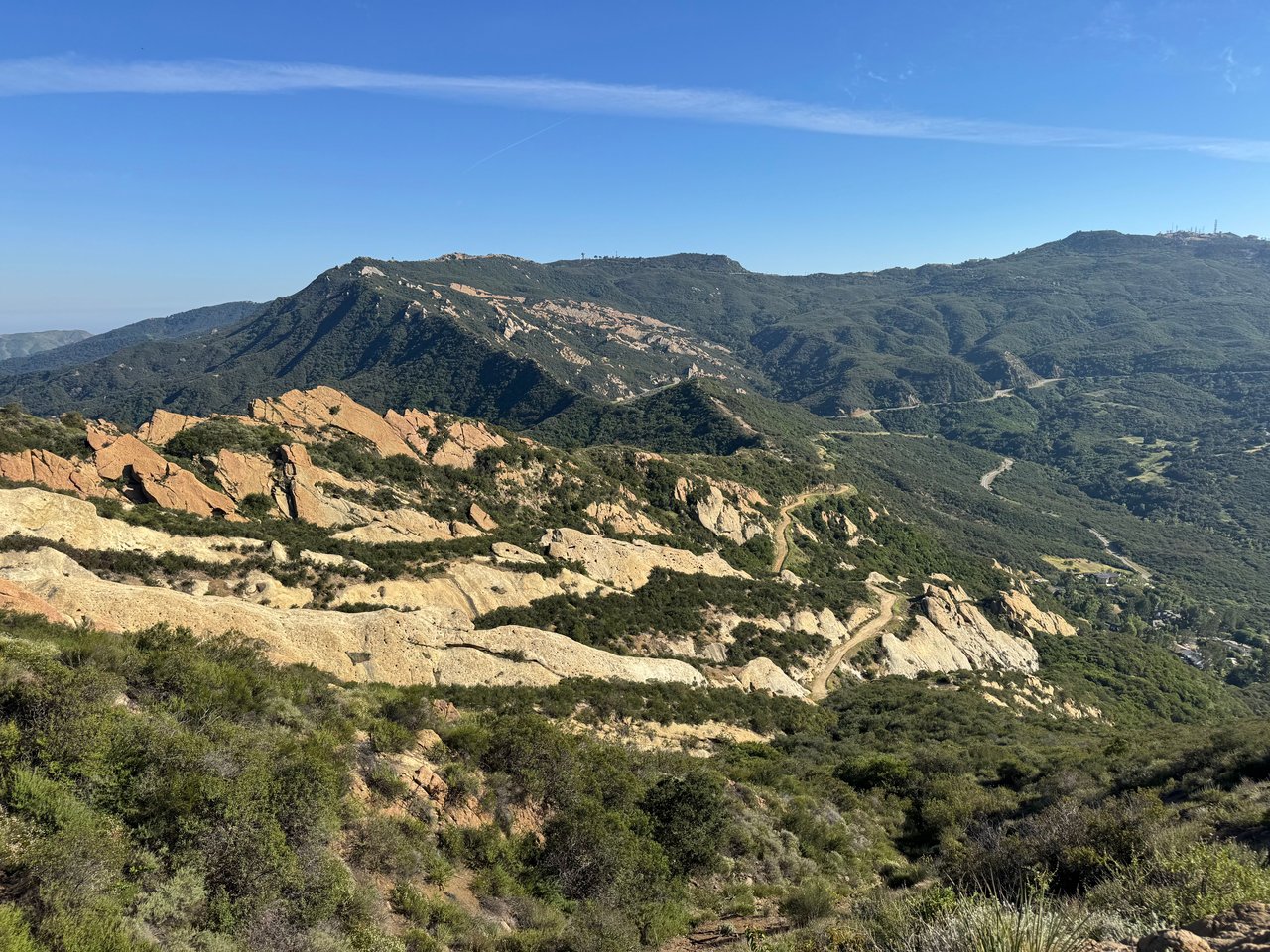
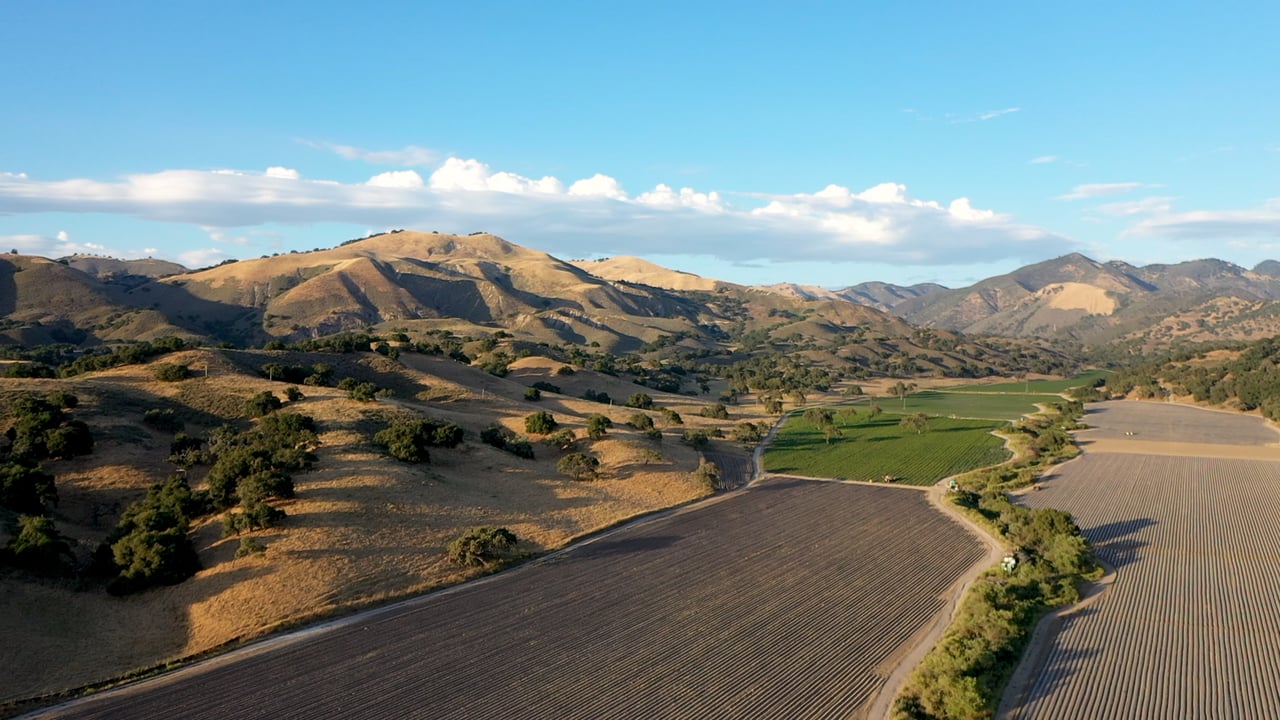
The Santa Ynez Valley sits at a rare geographical intersection, one of the few places in California where the mountain range runs east to west rather than north to south, opening directly to the Pacific. That orientation creates a microclimate that serious horsemen seek out specifically: dry warm days, cool nights, and a consistency across the seasons that keeps horses healthy, keeps training schedules intact, and makes the land productive year-round. A local vintner once said he chose this valley because within about 15 miles of his winery he could grow nearly every variety of grape in the world. The same logic applies to horses. The valley can accommodate almost every discipline and every breed because the climate supports all of it.
What that means practically is that outdoor arenas stay usable. Trails don't close for months at a time. Horses brought here from other parts of the country tend to thrive in ways their owners don't always expect. The footing, the air, the rhythm of the days, there's something about the physical environment of this valley that suits horses in a way that's easy to observe and hard to fully explain.
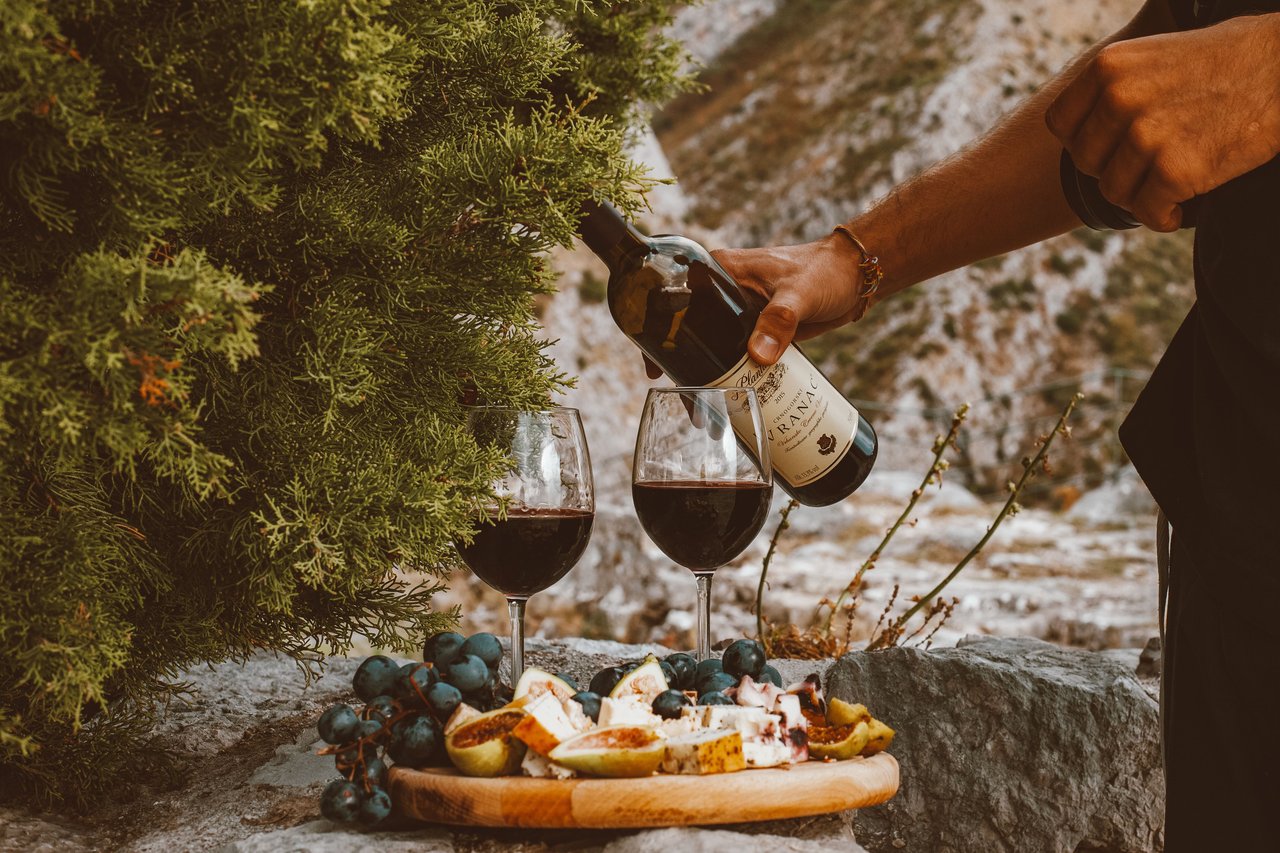
The same east-west range that creates the horse climate also makes Santa Ynez one of the only places in the world where you can grow nearly every wine grape variety within a 15-mile radius. Wine and horses. That combination doesn't exist at this level anywhere else in California.
34 Breeds. Three Kentucky Derby Winners.
The Santa Ynez Valley is home to 34 different horse breeds. That number tells you something important: this is not a single-discipline community. Thoroughbred racing operations run alongside dressage facilities alongside Western performance ranches alongside polo fields alongside trail operations. Whatever a buyer's equestrian background, there is an established community here doing exactly that thing at a serious level. English disciplines, Western disciplines, racing, breeding, sport horse sales, all of it is represented, all of it is active.
Three Kentucky Derby winners have come out of this valley. That doesn't happen by accident. It reflects decades of serious breeding programs, serious land, and the kind of climate described above. The Happy Canyon area in particular has historically attracted the most significant thoroughbred operations, one property there runs a 7/8-mile professional racing track alongside five separate barns handling breeding, yearlings, foaling, show horses, and stallions across 160 acres. That's the high end of what exists here. But the range below it is wide, and the seriousness runs through all of it.
Buyers who underestimate the depth of the equestrian community here usually figure it out within the first month of living in the valley.
Alamo Pintado Changes the Calculus
Alamo Pintado Equine Medical Center has been in Los Olivos since 1972, when Dr. Doug Herthel drove his orange Chevy Vega into the Santa Ynez Valley with his wife Sue and started treating horses out of the back of it. First patient was a sheep. Within a few years they had built something that would eventually become one of the foremost equine clinics in the world.
Today Alamo Pintado treats more than 3,500 horses a year, family horses, show horses, Olympic athletes, and thoroughbred racehorses from owners who could go anywhere and choose to come here. The diagnostic suite includes MRI, CT, PET scanning, nuclear scintigraphy, and motion detection gait analysis. Dr. Herthel's team helped develop the first successful colic surgery at UC Davis, taking survival rates from near zero to above 90 percent. His son Troy now runs surgery at the clinic. The field practice team goes out to farms and ranches across the valley for everything from routine vaccinations to emergency colics.
Michelle mentions Alamo Pintado to every client considering a horse property in the valley. Serious horse owners know the anxiety of being far from serious veterinary care. In Santa Ynez, that anxiety largely disappears. Alamo Pintado is ten minutes from most of the valley's significant equestrian properties. For buyers moving a serious horse operation here, that proximity is worth more than most listing features combined.
Alamo Pintado also co-founded Platinum Performance in 1996, a nutritional supplements company now considered a global standard in equine medicine. It started in this valley, out of the same commitment to getting equine care right.
The Towns. The Quiet. The Thing That's Hard to Name.
Santa Ynez Valley is not one town, it's five of them, each with its own personality, strung across the valley floor between the San Rafael Wilderness to the north and the Santa Ynez Mountains to the south. Santa Ynez itself is the most Western of them, with a main street that still feels like it belongs to the working ranching community that built it. Los Olivos is where the art galleries and wine tasting rooms cluster around a single intersection and the pace drops noticeably. Solvang, the Danish town, draws visitors but has a genuine community underneath the tourism. Ballard and Buellton fill out the edges, quieter still.
What runs through all of them is something that's genuinely difficult to find in California anymore: anonymity. Status titles go quiet out here. Multi-generational ranching families and celebrities and serious money have been living alongside each other in this valley long enough that nobody particularly tracks it. You become known for your horses, your land, your involvement in the community, not what you did before you arrived or who you are somewhere else. People who have spent their lives in places where that distinction doesn't exist find it disorienting at first. Then they find it the best thing about where they live.
The schools are part of it too. Public schools in the valley, Santa Ynez Valley Union High School in particular, run at a level that surprises people coming from larger cities. Strong academics, genuine parental involvement, agricultural and vocational programs that reflect where the kids actually live. Private options like Dunn and Midland are in the same conversation as Cate and Thatcher. Families who move here for the horses tend to stay for everything else.
Why People Are Buying Here Now
The market has been running at average listing prices above four million dollars for the better part of two years. Sustained buyer demand at the top end has a specific explanation: a large enough segment of serious buyers stopped waiting. Remote work made geography optional for people who had the means to choose. The question shifted from where do I need to be to where do I actually want to live. For buyers with horses, or buyers who have always wanted them, or buyers whose children ride competitively, the Santa Ynez Valley answers that question in a way that almost nowhere else in California does.
The comparison to Santa Barbara keeps coming up, 30 miles away, historically about 20 percent higher on comparable properties. What buyers get in the valley that they can't get in Santa Barbara at the same budget is land. Room. A barn, a pasture, the kind of life that requires actual acreage to exist. Single-family homes start around $800,000. Homes on an acre or more around $1.3 million. Horse properties with serious infrastructure range from there into the tens of millions depending on what's been built.
The people who move here tend to stay. That's the fact Michelle comes back to most often when clients ask her to make the case for the valley. Not the climate or the schools or the veterinary access or the wine, though all of those things are real. It's that the people who find this place and live in it properly, with the horses, in the land, part of the community, almost never leave voluntarily. That kind of retention, in a market this mobile, means something. If you want to understand what's available right now, reach out to Michelle Graci. That conversation is where it starts.